Compare Local Contractors for Accessibility Modifications Effectively
Compare local contractors for accessibility modifications to clearly define scope, verify experience, and set expectations in writing for a successful project.
Accessibility modification contractors handle a range of projects designed to make properties more accessible and safe for individuals with mobility challenges or other special needs. Typical work includes installing ramps, widening doorways, adding grab bars and handrails, modifying bathrooms for easier use, and improving pathways to ensure safe and convenient movement throughout the property. These modifications often aim to enhance independence and safety within homes, apartments, or commercial spaces, making everyday activities more manageable for residents or visitors with accessibility requirements.
Clearly defining the scope of work is essential to ensure the project meets specific needs and expectations. Property owners should work with contractors to identify which areas require modifications and specify the types of improvements desired. Having a written description of the scope helps prevent misunderstandings, sets clear expectations, and provides a reference point for all parties involved. It also facilitates more effective communication, allowing property owners to evaluate whether a contractor’s experience and approach align with the project’s requirements.
Comparing local contractors for accessibility modifications involves assessing their experience, reputation, and approach to similar projects. Property owners can review credentials, request references, and inquire about previous work to gauge a contractor’s familiarity with accessibility standards and techniques. It’s also helpful to ask how they plan to approach the project, what materials they recommend, and how they handle unexpected issues. By gathering this information and comparing responses, property owners can make informed decisions and select service providers who are well-equipped to deliver modifications that meet their needs and expectations.
Compare local contractors by outlining priorities, verifying experience, and setting clear expectations in writing.
- Compare Local Contractors - review provider credentials and experience to find the best match for accessibility modifications.
- Define Project Scope - clearly outline the work needed to ensure all parties understand the requirements.
- Verify Experience - check that service providers have relevant experience with accessibility upgrades.
- Set Expectations in Writing - document project details and agreements to avoid misunderstandings.

Clearly describe your accessibility modification project first, then compare local contractors based on scope, experience, and written expectations.
- Verify experience with accessibility modifications - ensure contractors have a proven track record in handling accessibility-related projects.
- Define the scope of work clearly in writing - specify the modifications needed to prevent misunderstandings and set expectations.
- Compare local contractors’ credentials and reviews - assess their reputation and expertise through available references or ratings.
- Check for familiarity with relevant accessibility standards and guidelines - confirm they understand applicable building codes and best practices.
- Request detailed project descriptions and previous work examples - review their past projects to evaluate quality and suitability.
- Ensure all project details are documented in a written agreement - outline tasks, responsibilities, and expectations to protect both parties.
Use this to compare local contractors, clarify project scope, verify experience, and set clear expectations.


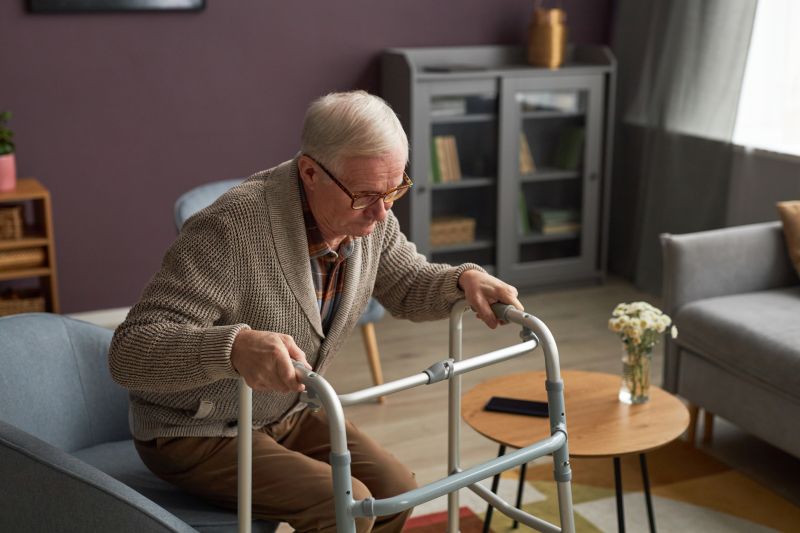

Learn how to compare local contractors for accessibility modifications by defining scope, verifying experience, and setting clear expectations without prices.
- Define scope of accessibility modifications - specify the specific alterations needed to improve accessibility within the space.
- Verify experience with accessibility projects - ensure service providers have relevant experience in performing accessibility modifications.
- Compare credentials and references - review qualifications and seek references to assess the quality of past work.
- Establish clear project expectations in writing - document the scope, materials, and standards to be followed throughout the project.
- Assess familiarity with applicable accessibility standards - confirm that local contractors understand relevant guidelines and requirements.
When evaluating contractors for accessibility modifications, it’s important to consider their experience with similar projects. Homeowners should inquire about the types of modifications the contractor has completed and whether they have worked on projects comparable in scope and complexity. A contractor’s familiarity with accessibility standards and previous work in residential settings can provide insight into their ability to handle specific needs effectively. Reviewing their portfolio or asking for references related to past projects can help gauge their practical experience and understanding of accessibility requirements.
A clear, written scope of work is essential for ensuring that expectations are aligned before any work begins. Homeowners should seek detailed descriptions of the tasks involved, materials to be used, and the specific modifications planned. This documentation serves as a reference point throughout the project, helping to prevent misunderstandings and ensuring that both parties have a shared understanding of the work to be done. Contractors who provide comprehensive written scopes demonstrate professionalism and a commitment to transparency, making it easier to evaluate their approach and clarity.
Verifying the basics of a contractor’s background involves asking about their process for assessing existing conditions and ensuring that modifications meet relevant standards. Homeowners can inquire about how the contractor plans to evaluate the site, identify potential challenges, and confirm that the proposed modifications will be appropriate for the space. While not requiring formal licensing or certification, it’s helpful to understand how the contractor approaches site assessments and quality checks. This helps ensure that the work will be grounded in a thorough understanding of the space’s unique needs.
When comparing options among local service providers, it’s important to focus on their approach to planning and communication rather than just their credentials or marketing materials. Homeowners should ask how each contractor plans to define the scope of work, document the project details, and communicate progress or changes. Evaluating how clearly a contractor explains their process, and how well they listen to specific needs, can help determine how effectively they will collaborate throughout the project. This approach supports making an informed choice based on professionalism, clarity, and a thorough understanding of the work involved.
Request written scope details to ensure clarity and consistency when comparing accessibility modification service providers.
- Experience with Accessibility Modifications - How do contractors demonstrate their experience with similar accessibility modification projects?
- Scope of Work Definition - What details do contractors include to clearly define the scope of accessibility modifications?
- Comparison of Services Offered - How do different service providers' offerings and approaches to accessibility modifications differ?
- Project Expectations in Writing - What should be included in written agreements to ensure clarity on the scope and responsibilities?
- Specialization and Expertise - How can contractors' expertise in accessibility modifications be verified to ensure they meet project needs?
What should I consider when choosing a contractor for accessibility modifications? It's important to compare local contractors based on their experience with similar projects, verify their work history, and ensure they clearly define the scope of work in writing to set proper expectations.
How can I ensure a contractor understands my accessibility needs? Clearly communicate your specific requirements and ask potential contractors to provide detailed descriptions of how they plan to address your needs, ensuring their approach aligns with your expectations.
What questions should I ask a contractor before hiring for accessibility modifications? Inquire about their experience with similar projects, request references or examples of past work, and ask how they plan to handle the scope and any potential challenges in your modification project.
Why is it important to have the scope of work in writing? Having the scope documented helps prevent misunderstandings, clarifies the work to be done, and provides a reference for expectations throughout the project.
How can I verify the experience of local contractors for accessibility work? Ask for details about their past projects, request references or case studies, and check if they have specialized experience in accessibility modifications relevant to your needs.
What is the benefit of comparing multiple contractors for accessibility modifications? Comparing different service providers allows you to evaluate their approaches, clarify scope and expectations, and find the best fit based on experience and project understanding.
This page has provided an overview of how to find qualified contractors for accessibility modifications. Visitors learned the importance of clearly defining the scope of work, verifying the experience of service providers, and putting expectations in writing to help ensure a smooth project process. Comparing options among local contractors can help identify the best fit for specific needs and preferences.
Using the quote form allows visitors to easily connect with local service providers who specialize in accessibility modifications. It offers a straightforward way to gather information, compare options, and find the right contractor for the project. Taking a few moments to reach out can help clarify the next steps in making accessible improvements.